Industries
Design for industrial software
We design the monitoring, maintenance and inspection software that plants, fleets and grids run on. The hard part is rarely the data. It is getting a reliability engineer to act on it.
 2020 Red Dot Design Award
 MIT Design Lab
Why generic product design work fails in industrial software
A consumer app has one user with one goal. An industrial platform has a reliability engineer who wants the raw signal, a maintenance planner who wants a work order, and a plant manager who wants one number for the Monday meeting. Design for the average of those three and you serve none of them.
The second failure is prettier and more expensive. A studio arrives, tidies the interface, hands over a Figma file and leaves before anyone discovers that the confidence score means nothing to the person who has to act on it. We stay through the part where people either change how they work or quietly go back to the spreadsheet.
We did not come from consumer apps. Our work sits in vibration analysis, asset fleets, power line inspection and grounds maintenance, and the first weeks of a project go on learning the domain from the people who live in it.
What usually brings people to us
Five situations come up in almost every first call.
The demo goes well until someone asks what the number means
The platform finds the anomaly. Then the screen shows a score, a chart and a threshold, and the customer asks what they are supposed to do on Monday morning. Detection is not the product. The decision is.
The technology is years ahead of the story
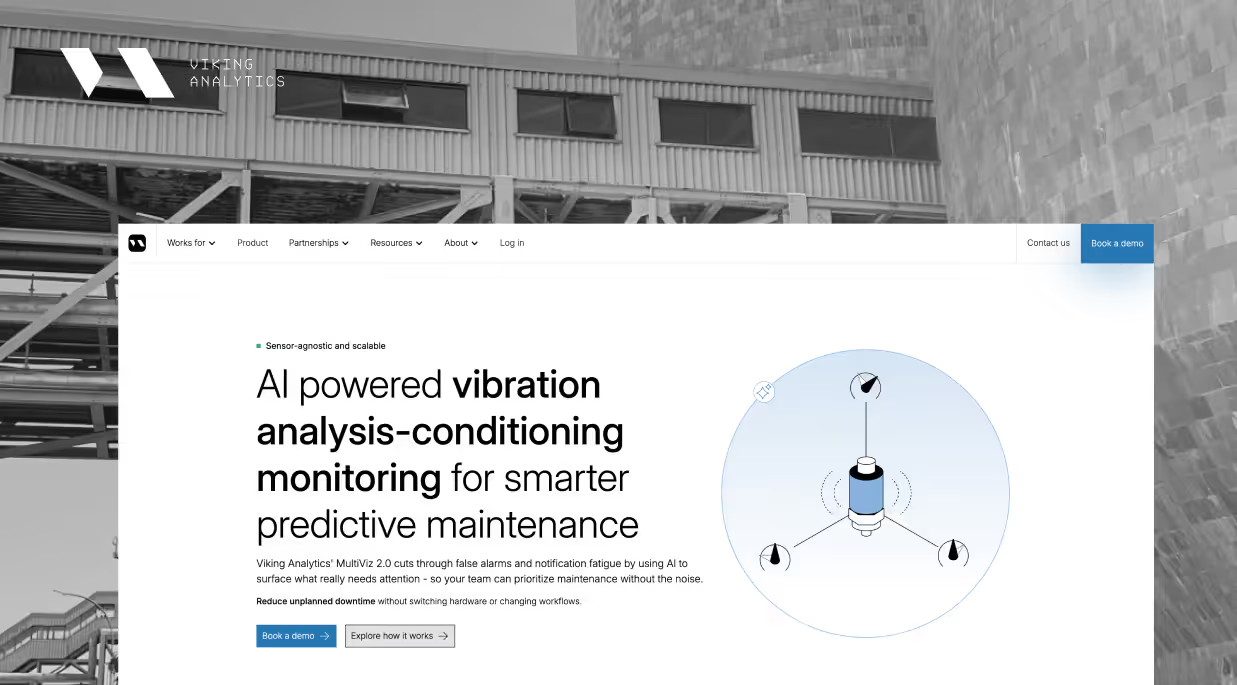
Viking Analytics came to us with a working AI platform monitoring large asset fleets across multiple sensor types, and a market that could not tell what it was for. The case study opens on the same line: strong technology, fragmented story.
Your users are not sitting at a desk
Warehouse crews, field technicians and course superintendents use your product standing up, outdoors, often one handed. We rebuilt Blimp's mobile onboarding for those conditions rather than for a buyer evaluating software on a laptop.
Every customer wants a different view
New asset classes, new sensor types and new reporting duties turn into a settings page nobody can explain. The fix is almost always structure, not another configuration option.
Partners carry the sale with nothing to carry it with
Industrial software moves through integrators, distributors and service partners. Most have never been handed a portal, a deck, or a reason to put your product ahead of the other seven they represent.
What the work covers
Four things, usually in combination. Most clients start with one and add the next.
Product design for sensor and asset data
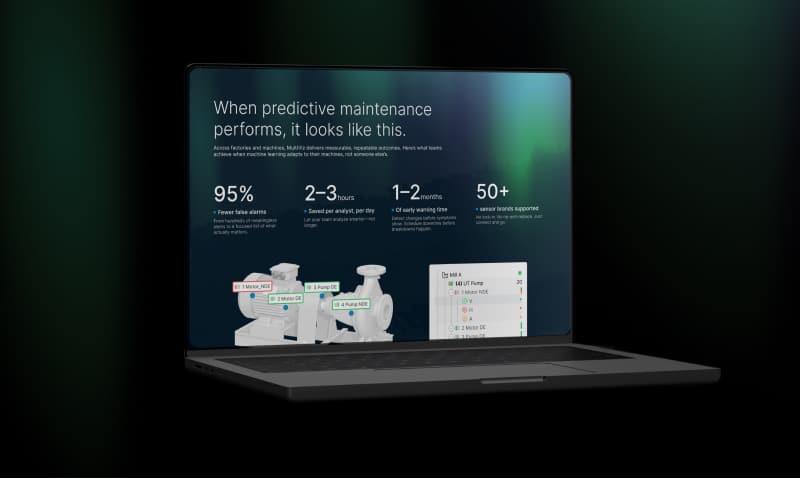
Screens that answer a question instead of displaying a feed. We rebuilt MultiViz with Viking Analytics so an analyst can watch a large fleet, see where attention is needed, and decide what happens next.
Interfaces built for the field
Mobile flows for people wearing gloves in bad light. Blimp's setup went from a technical configuration task to something a warehouse team completes on its own.
Brand and website that match the engineering
Site structure built around how each buyer type evaluates, with search intent shaping the architecture rather than being added afterwards. That is how we rebuilt Viking Analytics and Airpelago.
Partner programs and the material that feeds them
Partner categories, commercial logic, enablement, portals and the decks a partner needs to quote and sell. We built these for Viking Analytics and CapillaryFlow.
How a project runs
Five phases. The first two decide whether the rest is worth anything, and they are the two most studios skip.
- Phase 1
Workshops
We get the people who run the business into one room and map the commercial picture: which customers are worth winning, how they buy, and what the product has to prove before anyone signs.
- Phase 2
Time with the people who use it
We sit with reliability engineers, planners, technicians and partners. On the Viking Analytics engagement we joined live customer and prospect conversations, which is where you hear the objection nobody writes down.
- Phase 3
Structure before surface
Product structure, information architecture and messaging, settled before anything is drawn. Search behaviour shapes the architecture at this point, not after launch.
- Phase 4
Design and build
Interface design, brand, content and front end, produced with your engineers rather than handed over as a Figma file and a good luck message.
- Phase 5
Stay through adoption
We stay past launch. A system that gets archived instead of used has cost you money and changed nothing.
How we work with your team
Most of our clients are running the company while the project runs. The process assumes that.
The people you meet do the work
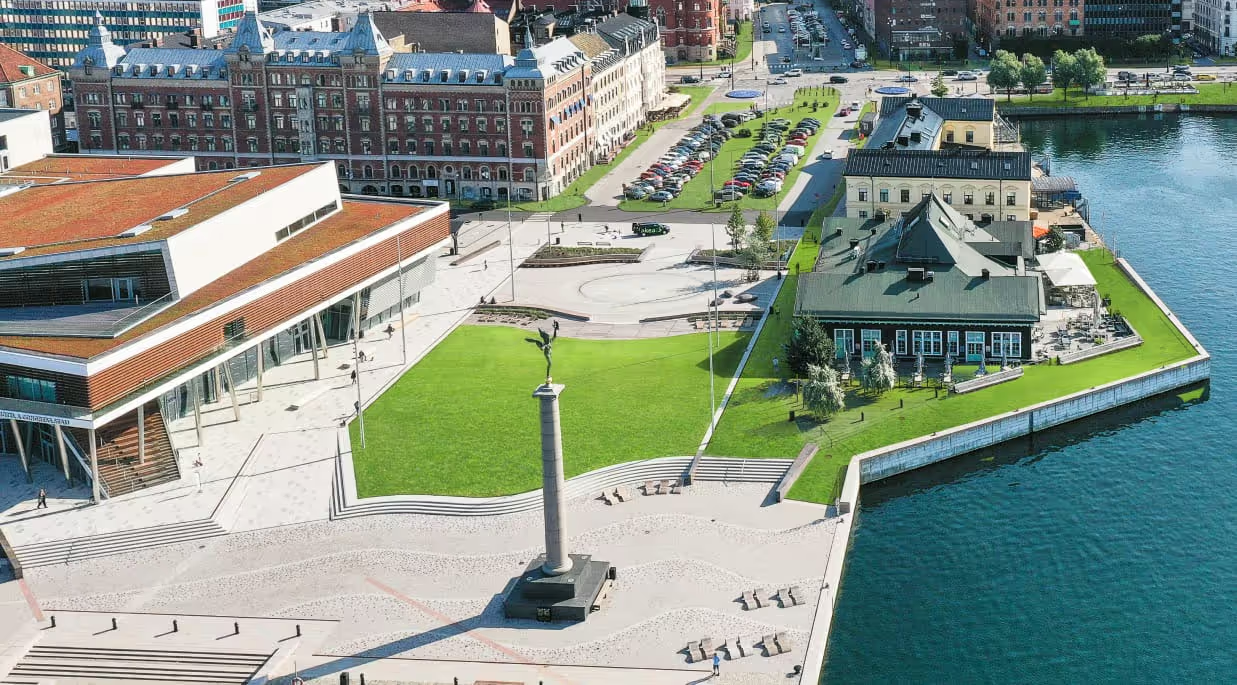
We are a small studio in Gothenburg. Whoever runs your workshop is whoever designs your product.
Strategy early, then execution
We settle direction in the first weeks and then build against it. You will not be asked to approve every screen, because the work slows to the speed of the slowest reviewer.
We listen to your customers directly
Where it helps, we join sales and support calls instead of working from someone else's notes on them.
You keep everything
Design tokens, component libraries, documentation and portals, written so your team can carry on without booking us again.
Work in industrial software
Four projects. The case studies go into what changed and why.

Viking Analytics
An AI predictive maintenance platform with a market story that had fallen behind the engineering. Three workstreams over an extended engagement: website and go to market, partner program, and MultiViz 2.0.Read the case study
Airpelago
Drone inspection for power infrastructure. Brand, design, animation, copywriting, SEO and digital strategy for a company whose presence had not caught up with its ambition.Read the case study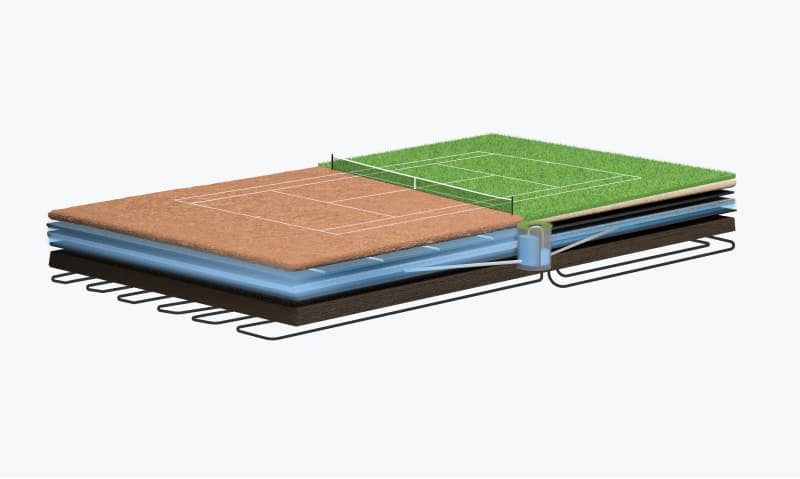
CapillaryFlow
A patented ground construction system, rebuilt into a multi market technology brand. FlowTrack turned sensor readings into decisions a superintendent makes from a phone.Read the case study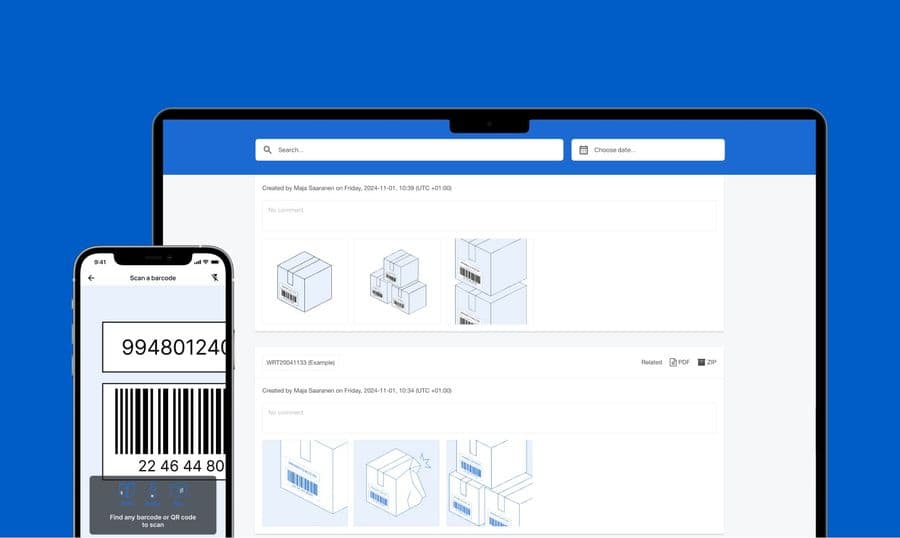

Blimp app
Enterprise photo documentation and reporting for logistics and manufacturing. Rebrand, website, and a mobile onboarding flow rebuilt for warehouse and field teams.Read the case study
Related pages
FAQ about industrial software design

What does industrial software design involve?
It covers the product interface, the brand and website around it, and often the partner material that gets it sold. The work starts from the operating decision your user has to make, then works backwards to what the screen needs to show for that decision to happen.
Do you understand predictive maintenance and condition monitoring?
We have worked inside it. Viking Analytics builds AI predictive maintenance for large industrial asset fleets, and we spent an extended engagement in that domain, running workshops and joining customer conversations before redesigning MultiViz. We are designers rather than reliability engineers, so we learn the domain from the people who practise it.
How do you design an AI prediction people will trust?
By showing the reason next to the result. A prediction with no visible basis gets ignored the second time it is wrong, and after that the feature is dead however good the model is.
Can you work alongside our in-house engineering team?
Yes, and most of our product work runs that way. With Lolo we worked in one month sprints beside their development team. With Viking Analytics we embedded over a longer engagement, joining internal reviews and customer conversations.
Do you do the website as well as the product?
Usually both. Industrial software companies tend to have the same gap in two places, so fixing the product and leaving the website to undersell it is half a job. Viking Analytics, Airpelago and CapillaryFlow were all product and go to market together.
How long does an engagement take?
Our industrial projects have run from five months to over a year. Blimp was five months, Viking Analytics nine, CapillaryFlow twelve. An audit is much shorter, and it is usually how people start.
Where are you based and who do you work with?
Gothenburg, Sweden. We work with companies across Europe, the US and Asia.
Next
Tell us where the data stops being useful
Send us what your users are meant to do with what the product tells them, and where that breaks down today. We will tell you whether we can help.
Book a call