Approach
How we work
We decode the business before we design anything. That sounds like agency boilerplate, so this page is what it costs us in the first three weeks.
 2020 Red Dot Design Award
 MIT Design Lab
Three of our case studies open with almost the same sentence
Viking Analytics: strong technology, fragmented story. Frontgrade Gaisler: world class technology, a digital presence that did not reflect it. CapillaryFlow: a strong product, a brand too narrow to grow. We did not plan that. It is simply what walks through the door.
The shape is nearly always the same. Something real has been built, and the commercial layer around it has not kept up. Positioning, product experience, website, sales material and partner channel drift apart, each one gets fixed separately by a different supplier, and by the end none of them agree with each other.
So we start with the business model rather than the brief. What a client asks for and what a client needs are often different things, and the first honest conversation about that saves a quarter.
When we are useful, and when we are not
We would rather say this now than three weeks into a project.
Useful: the product is good and the market cannot tell
This is the most common reason people call us. The engineering is ahead of the story, and closing that gap is most of what we do.
Useful: growth has stalled and nobody can say why
It is usually not a leads problem. It is a clarity problem, and more content or more ads on top of an unclear message just costs more.
Useful: you are entering a new market or vertical
CapillaryFlow was a golf company with a name that said concrete. Repositioning it opened equestrian, sports fields and urban spaces, and direct sales leads from the equestrian segment rose 777 percent.
Useful: partners are meant to sell for you and cannot
A partner list is not a channel. Categories, commercial logic, enablement and a portal are what turn one into the other.
Less useful: you want execution against a plan you are sure of
If the strategy is settled and you need hands, a production studio will be cheaper than us and just as good at it.
Less useful: you need the answer by Friday
Our first weeks go on workshops and customer conversations. Without that time, the work is guesswork with better typography.
What we do
Six services. Nearly every engagement combines at least two of them, because the problems do.
Business decode
Business model, buyers, buying journey and competitive position, mapped before any design decision gets taken.
Brand and design systems
Identity, design tokens, component libraries and documentation, built to be handed over rather than admired.
Digital product design
UX and UI for complex B2B products, including AI interfaces, data visualisation, and prototypes tested with real users.
Website and content
Architecture, copy, design and build, with search intent shaping the structure rather than being added at the end.
Sales, marketing and partner programs
Positioning, sales material, channel programs, portals and campaigns. Our channel partner methodology has been used by more than 150,000 people worldwide, including teams at Canon and Tele2 IoT.
AI where it saves real time
Strategy stays human. Execution is AI assisted where that genuinely speeds things up, and left alone where it does not.
The process
Five phases. The order matters more than the names.
- Phase 1
Listen
Every engagement starts the same way. We ask about the business before we offer an opinion about the design. Depending on scope that covers your business model, your industry, and the pressures on your market.
- Phase 2
Workshops
We get the right people in one room and map the commercial picture: best fit customers in each segment, how they buy, what motivates them, and what the brand has to say differently to each. CapillaryFlow's four verticals came out of this, and so did the decision that one website could serve all of them.
- Phase 3
Define the project
Together we write down the outcomes and the deliverables. You accept a proposal with a real scope in it, and then we move fast.
- Phase 4
Build
Brand, product design, website, content, sales and partner material, whatever the project needs, produced by the same team that ran the workshops.
- Phase 5
Stay through adoption
We stay through implementation rather than stopping at handover. Design only creates value in production, and a system that gets archived instead of adopted has changed nothing.
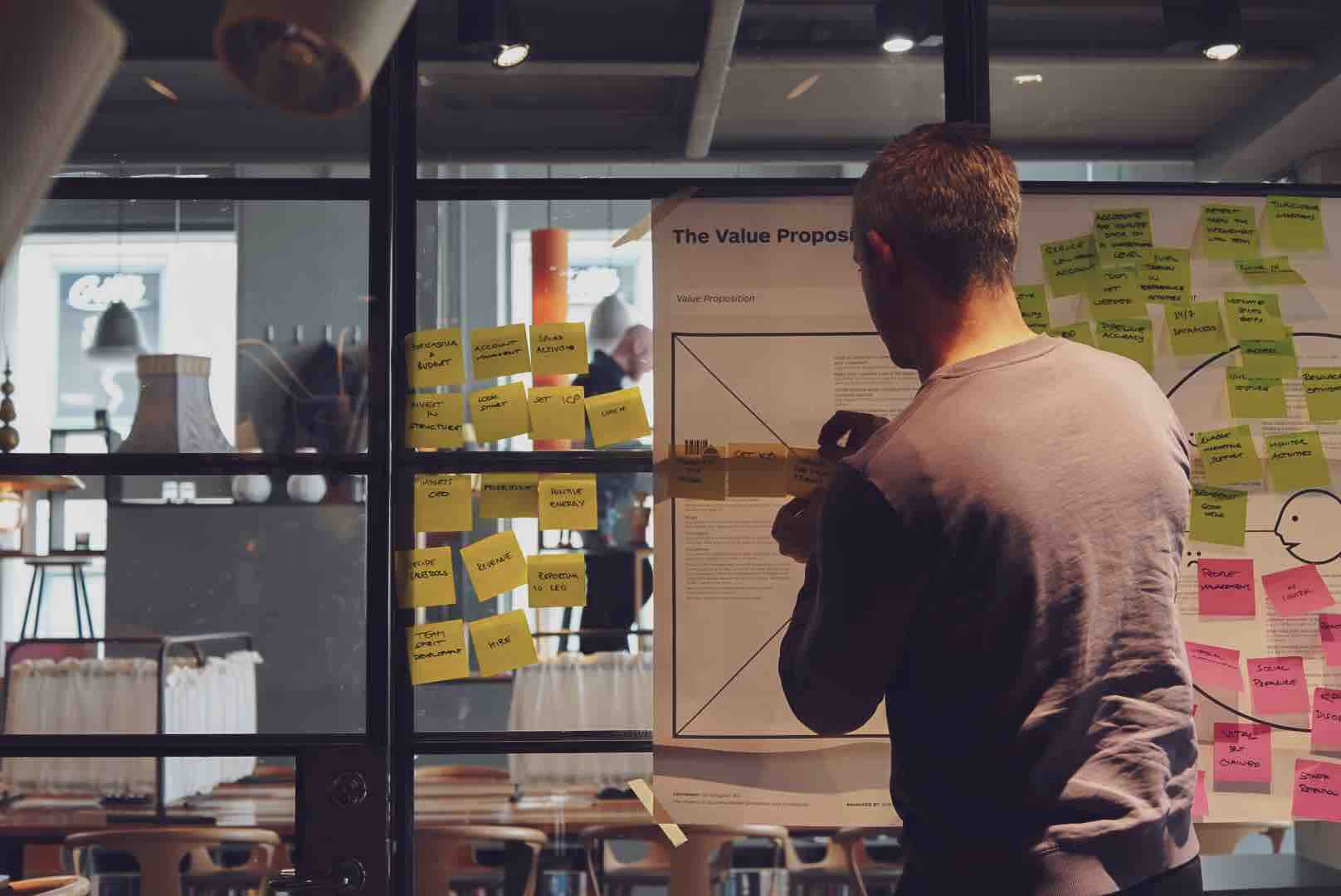
What working with us is like
Most of our clients are running a company while this is happening. The way we work assumes it.
Decisions early, then speed
We settle strategy in the first weeks and then execute against it. You will not be asked to review every draft, because the work slows to the speed of the slowest reviewer.
We sit in your customer conversations
On the Viking Analytics engagement we joined customer and prospect calls directly. That is where the objection nobody writes down finally gets said out loud.
We tell you what we cannot help with
If a problem sits outside what we are good at, you hear it on the first call rather than three months in.
You keep everything
Design tokens, component libraries, documentation, portals and content structures, written so your team can keep going without us.
What the method produces
Four projects where it ran end to end.
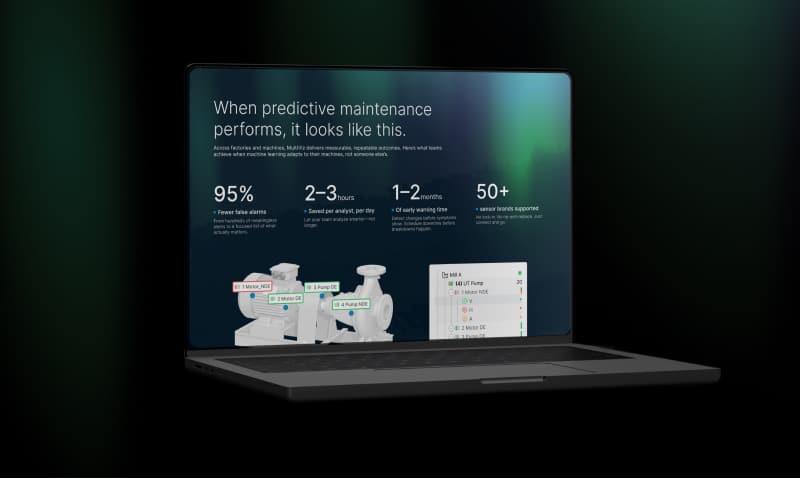

Viking Analytics
Three workstreams over an extended engagement: website and go to market, partner program, and a rebuilt MultiViz. A platform that now sells as well as it works.Read the case study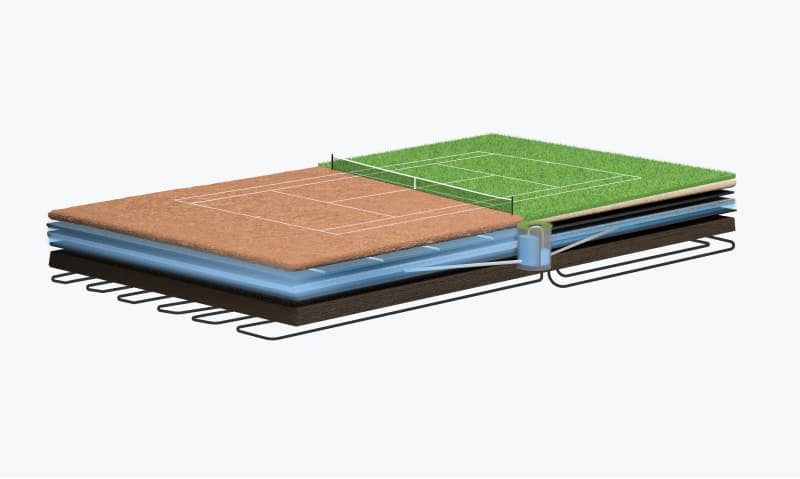
CapillaryFlow
Rebrand, one website for four verticals, a partner program and a new digital product. Website traffic doubled year on year, direct sales leads from the equestrian segment rose 777 percent, and Google Ads impressions rose 337 percent on the same budget.Read the case study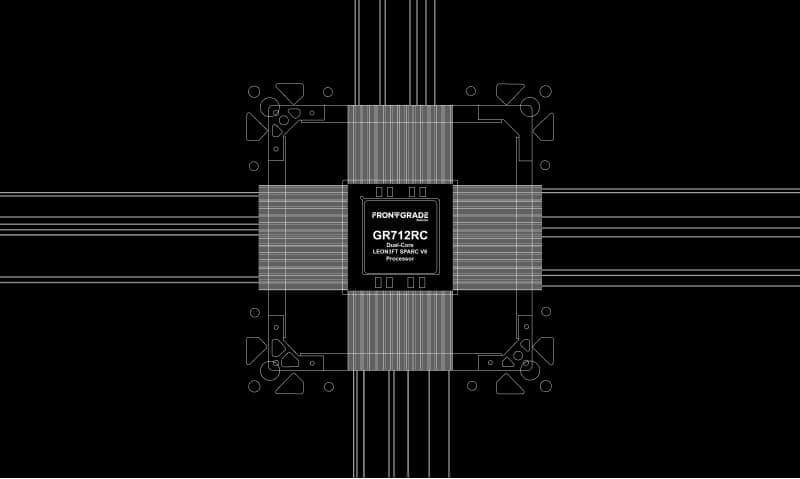

Frontgrade Gaisler
Brand evolution, an information architecture rebuilt around how aerospace and defence buyers evaluate vendors, technical SEO, and a partner program structure.Read the case study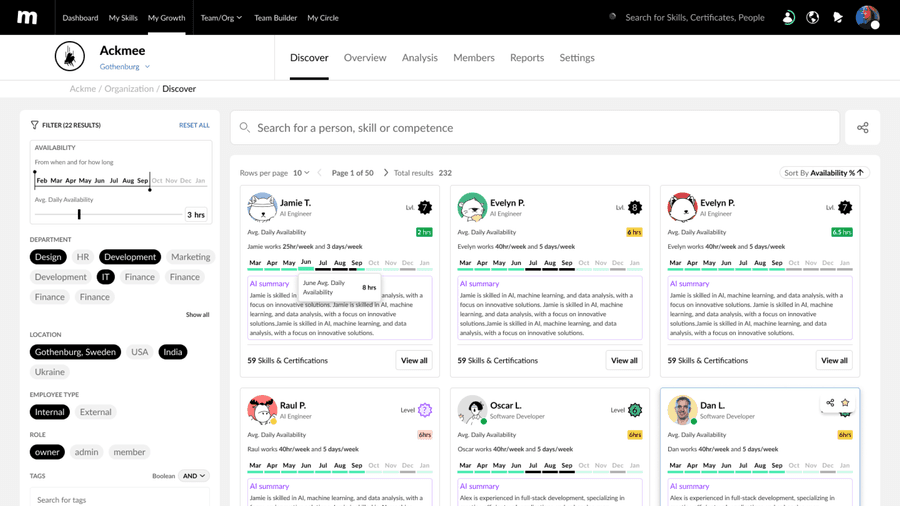

MuchSkills
Our own venture, taken from the business case to a Red Dot Design Award and recognition from Everest Group in its PEAK Matrix.Read the case study
Related pages
FAQ about working with us

How do engagements usually start?
With a call, then usually a workshop or an audit. The workshop is where we map the commercial picture with your team, and it is also the fastest way for both sides to find out whether this is a good fit.
How long does a project take?
Our published projects have run from one month to over a year. Lolo was a month of sprints, Blimp five months, Frontgrade Gaisler six, Viking Analytics nine, CapillaryFlow and FreePower twelve or more. Scope drives that far more than sector does.
Do you work with our in-house team or replace it?
Alongside it. With Lolo we ran one month sprints beside their development team. With Viking Analytics we embedded across workshops, internal reviews and customer conversations over a longer engagement.
Do you only do design?
No. A typical engagement combines positioning, brand, product design, website and often a partner program, because a fix in one of those rarely holds if the others stay where they were.
What do you need from us?
Access, mainly. Time with your leadership for the workshops, time with your users, and permission to sit in on customer and sales conversations. The projects that go badly are the ones where the studio only ever speaks to one marketing manager.
Do you work remotely?
Yes. We are based in Gothenburg, Sweden, and we work with companies across Europe, the US and Asia.
What happens after launch?
We stay through adoption. In practice that means SEO and content after a website launch, feature design after a product launch, and training your team on a partner program before they have to run it without us.
Can you tell us what we should not spend money on?
That is often the most useful part of the first call. We will tell you where we can genuinely help and where we cannot.
Next
Start with a conversation
Tell us what you are building, who is meant to buy it, and what is not working. We will tell you what we would do first.
Book a call